
Pune Earth Walks: 43 Birds Spotted on a Grassland Birding Walk
Discovering the monsoon avian diversity of Pune: A report on the birdwatching trail held Saswad Grassland
Date: 30 August
Location: Saswad Grassland
Walk Theme: Grasslands Uncovered with Gaurav Nalkur
Walk Leader: Gaurav Nalkur
Despite the ongoing monsoon, the spirit of those looking to enjoy a morning of grassland birding and learn more about Pune’s green spaces could not be drenched. Mother Nature seemed to approve of this and blessed us with a relatively dry morning with good sunlight too! Despite having just 2 participants, what followed was an amazing morning of fruitful birding, the most rewarding aspect of which was introducing two Pune birding freshers to new species and new habitats around them.
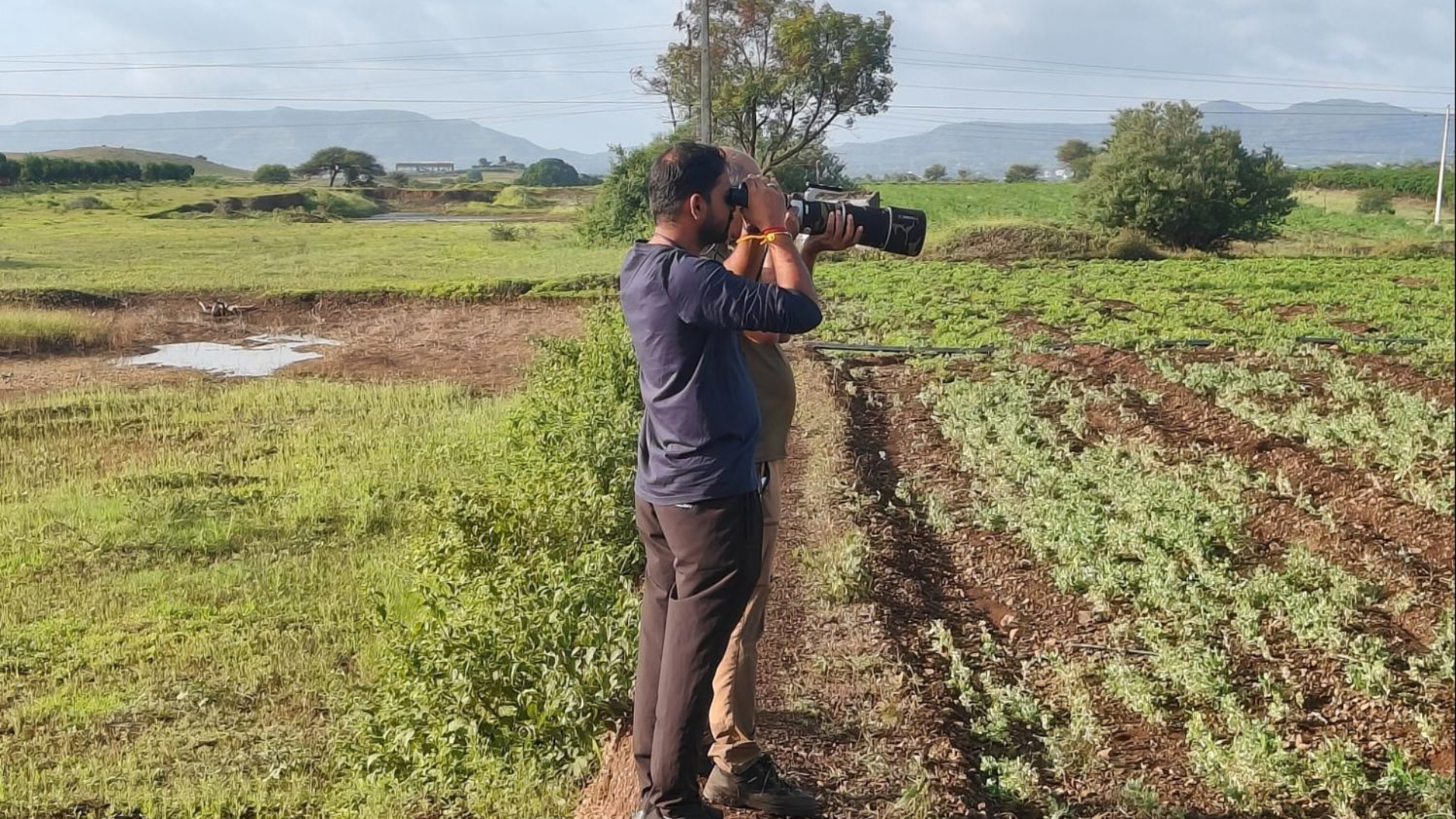
Keeping up with the rituals. We first met at Hotel Gulmohar in the early hours, a small dhaba-like restaurant in the town of Saswad, situated a little outside Pune. As always, the walk started with a brief introduction from the participants, who, along with their names, also told about their nature-based identity interests, what got them interested in nature, and why they decided to join this walk in the first place, such as what made them interested in birding or nature walks and what acted as their motivation to join us this Sunday morning. The reply that caught everyone’s attention was from a participant who said that he had been waiting for this opportunity to begin in Pune for a long time now, as he had heard a lot about Earth Walks when he was present at the Global Wildlife Fair last year and got glimpses of it in the workshops that were being held there. As is so common with those who enjoy nature and the wilderness, an instant rapport was built, building a foundation for a great session. These conversations acted as the perfect base for the walk to begin, and then the participants headed towards an abandoned quarry. Most of our birding was, to be honest, through the car, as many of the first birds we saw were in open habitats, prone to being startled by birders on foot. These included Large Grey Babblers, Baya Weavers, Bay-backed and Long-tailed Shrikes, and two beautiful Black-winged Kites hovering in search of prey.
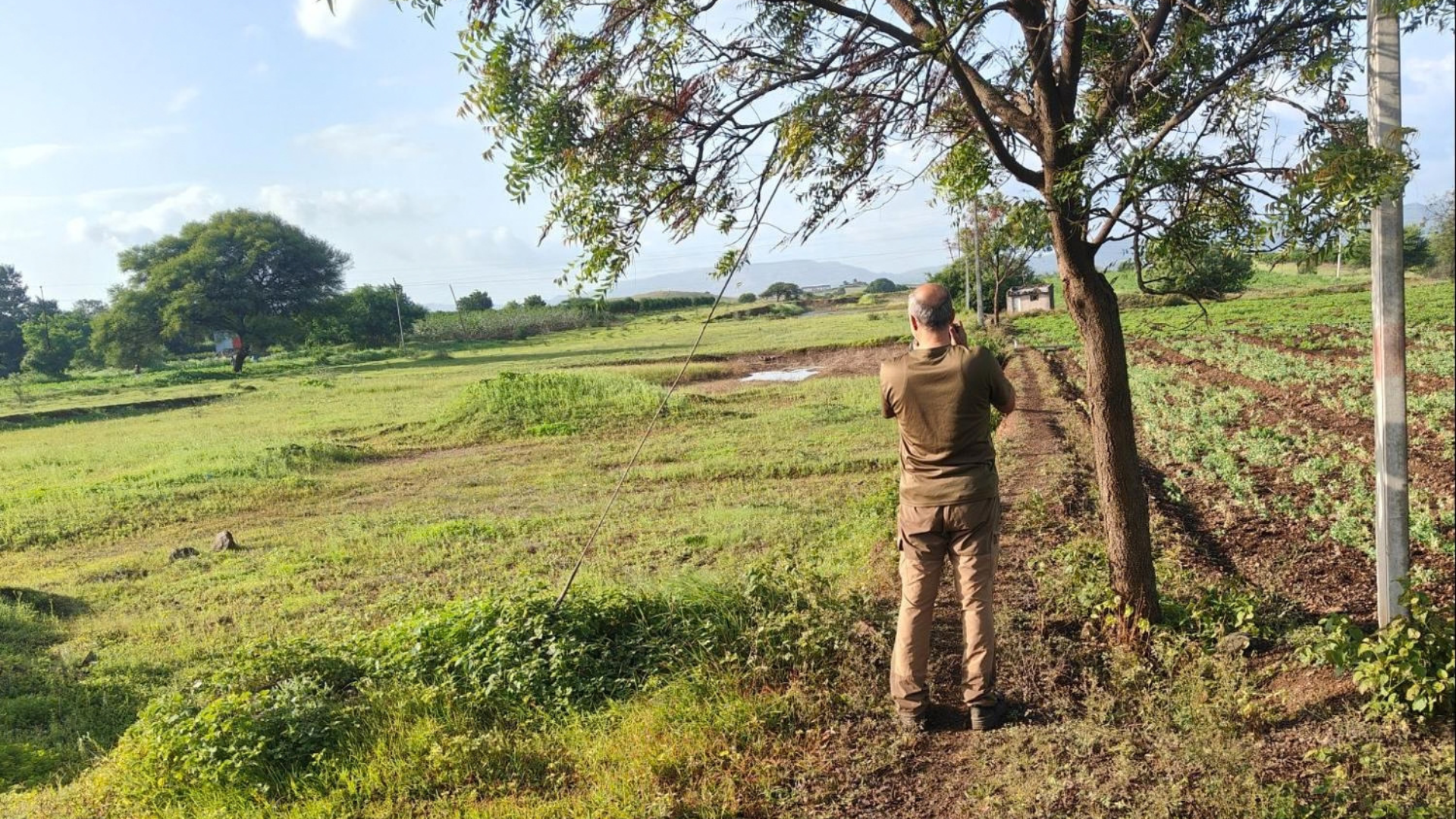
As the session continued, the walk leader explained the importance of grasslands and how they are often the first habitats to be destroyed, as they are often viewed as wastelands, despite being home to a variety of wildlife, from rich birdlife to mammals like Chinkara, Indian Wolf, Indian Fox, and more. Quarry was the biggest example of urban biodiversity, as it was slowly transforming itself into an evolving wetland. He further discussed the geographic composition of the area, which comprises volcanic basalt formations scattered all across the hills. He then told the group about the ecological importance of the place. Before further delving into the history of the place, the participant asked what the biggest hurdle affecting the growth of the wetland was, and the discussion on the construction around the area began. These had stalled the growth of the wetlands. While covering the wooded areas that existed as plantation remnants from the 1960s and 1970s and the patches of native grasslands in the region, the group came across the first sighting of the day, which was the Spotted Owlet. One participant even mentioned that spotting one right at the beginning is a good sign, and as destiny would have it, the group spotted 3 of them throughout the walk. The next spotting was the Indian Silverbill, which was a subject of amazement even for the walk leader, as this was the first time he was spotting this species in Vetal Tekti. Yet the best highlight was yet to come; it was the Black-winged Kite that was soaring high above in the sky. While this was being discussed, a small bird flew across the road, landing in a farmed field. Through our binoculars, we could see that it was a Sykes’s Lark, a bird that is on the target list for many birders. Scanning the field with our binoculars, we realised there was not one, but at least four individuals foraging on the ground!
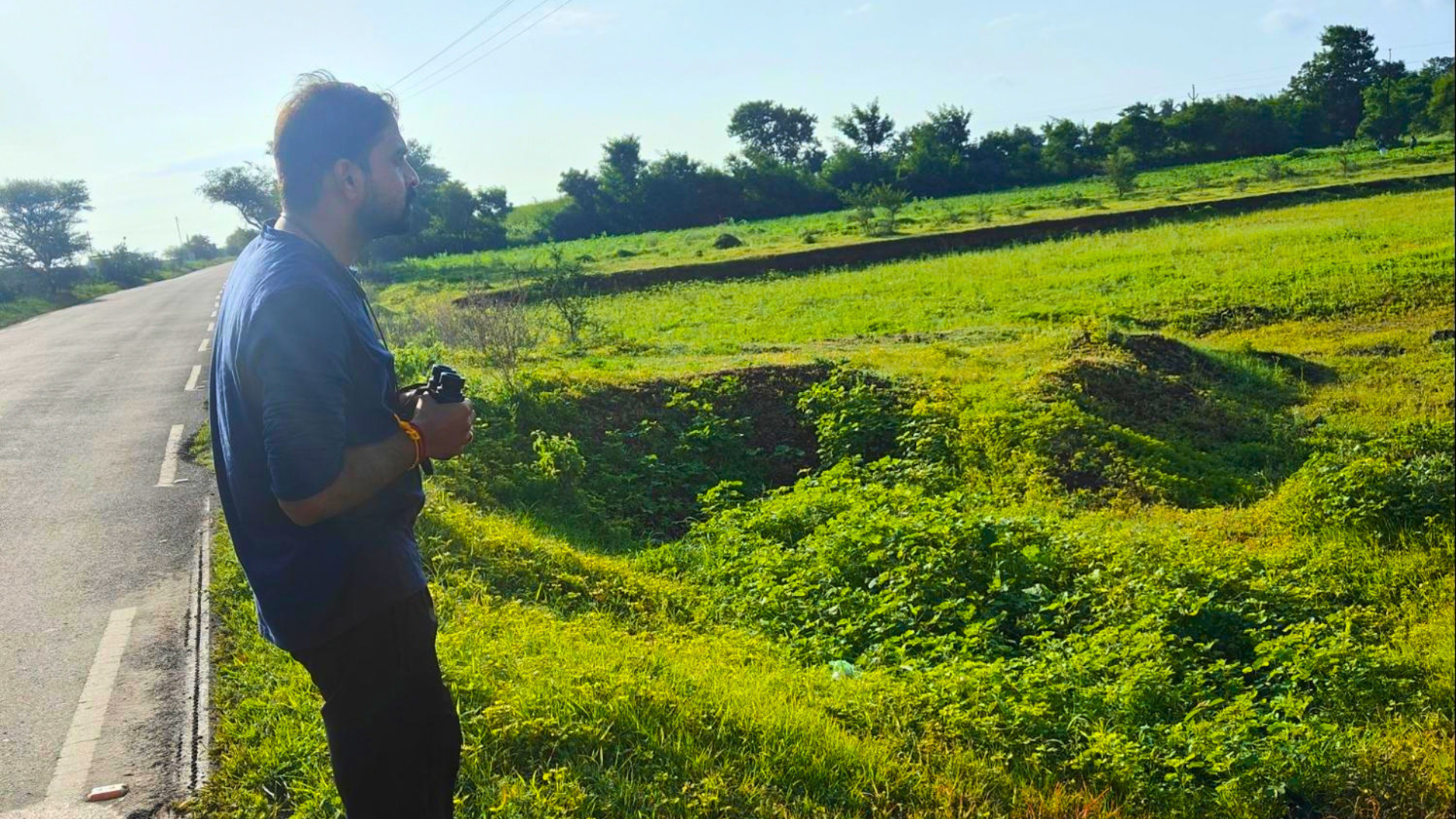
We got down and slowly walked our way across to the field, making sure to be careful where we stepped, while also keeping an eye on the larks, giving us nice clear views of these beautiful little birds. While we were on foot, we also scanned the habitat nearby. Apart from the expected sightings, like a few Brahminy Starlings, a Baya Weaver nesting colony, and a few sunbirds, we also managed to spot a majestic Short-Toed Snake Eagle hovering far away in its unmistakable style. Another small surprise was a small waterhole, barely more than a puddle, which yielded something unexpected: a Common Sandpiper, a Green Sandpiper, and two Little Ringed Plovers. While these are in no way rare or elusive birds, what surprised us was that these are winter migrants - signalling to us that migratory waders had already started their arrival in Pune.
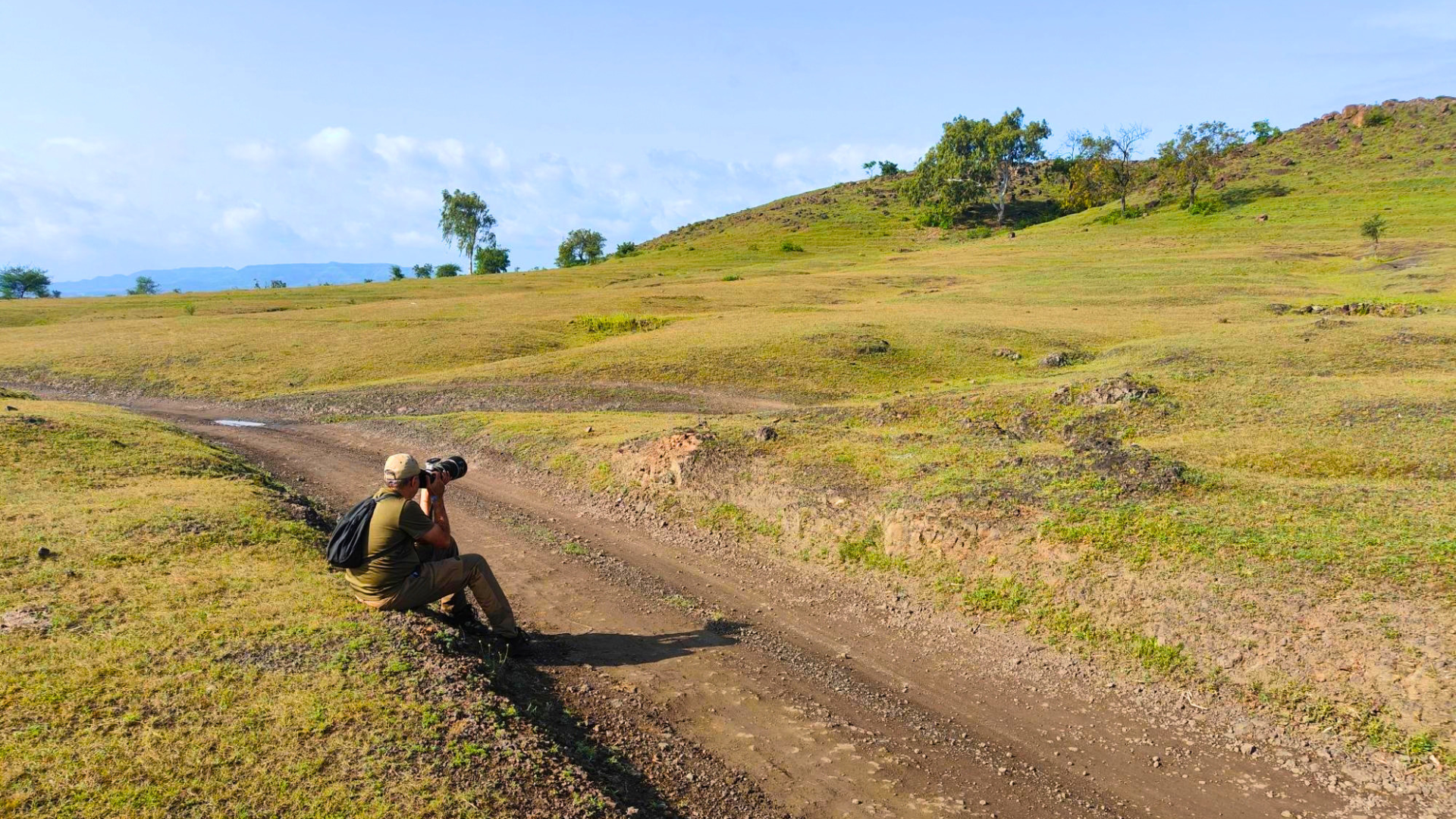
This sighting stood out as this species had become uncommon in Pune, and its presence in the location clearly pointed towards one thing: the importance of protecting urban biodiversity spaces. The group also encountered an Indian Gray Mongoose and an Indian Hare. They had narrowly missed the Cinnamon Bittern, which had left the area just a few times before the group arrived. Overall, the first walk gained immense success, where the participants learnt about the tips on observing the wildlife and biodiversity around them, and understood the deeper aspects of human -nature interaction. Some ways down the road, we got down again, walking even further inside this time along the base of a small hill. The open habitat meant that while we could see plenty of birds, it was difficult to get close to them. However, we did get some beautiful photographic opportunities of Yellow-wattled Lapwings, Ashy-crowned Sparrow-Larks and Indian Bushlarks. The highlight of this mini-leg of the journey, however, was a lone Malabar Lark, foraging along the ground. Like its close relative, the Sykes’s Lark, this was also once considered to be a subspecies of the Crested Lark before they were both separated. We also got a glimpse of a lone Shikra perched on a small bush, but could not get close due to the uneven terrain.
The walk ended by 10:300 pam, but the insights gained by the participants in this are bound to stay with them forever. You can even be a part of these walks every Sunday and add something valuable to your skill set. Unlock the natural adventure that exists around you and get premium access to a more mindful way of living. To be a part, click here: https://asianadventures.info/p/af0725
Bird List
- Indian Spot-billed Duck
- Gray Francolin
- Rock Pigeon (Feral Pigeon)
- Laughing Dove
- Greater Coucal
- Common Hawk-Cuckoo
- Little Swift
- Little Ringed Plover
- Common Sandpiper
- Green Sandpiper
- Little Cormorant
- Red-naped Ibis
- Black-winged Kite
- Short-toed Snake-Eagle
- Shikra
- Black Kite
- Asian Green Bee-eater
- White-throated Kingfisher
- Plum-headed Parakeet
- Spot-breasted Fantail
- Black Drongo
- Bay-backed Shrike
- Long-tailed Shrike
- Large-billed Crow
- Asian Tit
- Ashy-crowned Sparrow-Lark
- Indian Bushlark
- Tawny Lark
- Malabar Lark
- Common Tailorbird
- Eastern Red-rumped Swallow
- Red-vented Bulbul
- Indian White-eye
- Large Gray Babbler
- Brahminy Starling
- Common Myna
- Indian Robin
- Pied Bushchat
- Purple Sunbird
- Baya Weaver
- House Sparrow
- Gray Wagtail
- Pipit sp