
Asita East Nature Walk: A Guided Birding Tour Along the Yamuna
Date: 7th December, 2025
Location: Asita East DDA Park, Laxmi Nagar, Delhi
Location Map link: https://maps.app.goo.gl/7QQ9j4q1Ff5y187n7
Walk Leader: Mr Rajesh Kalra
Walk Theme: Exploring Urban Biodiversity
Walk Coordinator: Salil Dutta, Amruth, Pawan
Number of participants: 13
Name of participants: Shivangi, Anita, Kartik Bakshi, Asheeta Chabbra, Tanmay Telang, Ryan Das, Anuj Vohra, Anindita, Sanjay, Amruth, Shivani, Ravindra Aggarwal, Satish Chetal
In a world where pollution has wreaked havoc on the health and lives of people, and the sky-rocketing AQI levels have made it almost impossible to breathe, Asita East stands as a prime example of how much difference can be made by just simple awareness and efforts. The milestone of Asita East lies in its history, and that very history became one of the prime reasons why it was chosen for the Earth Walk venue that was organised by Asian Adventures in collaboration with Global Wildlife Fair. On the morning of 7th December, a group of nature enthusiasts had gathered outside Asita East with the objective of better understanding the biodiversity of the region. The briefing about the organisation and the purpose of conducting these Earth Walks was delivered by Salil Dutta, and thereafter, the walk leader, Dr Rajesh Kalra, started the walk by giving instructions on how the binoculars have to be used correctly. Binoculars may seem a simple tool, but they are one of the most vital components in bird watching.
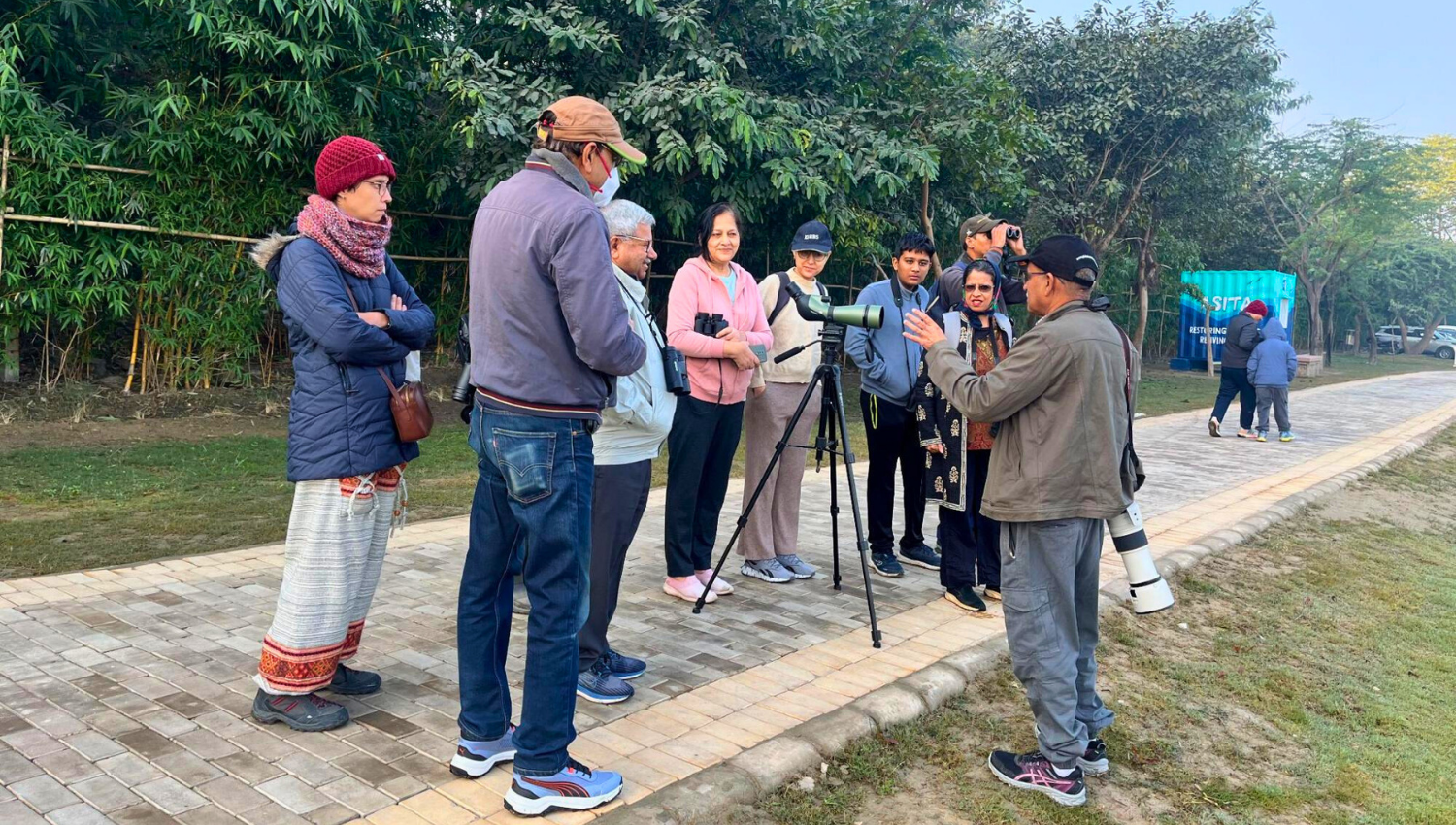
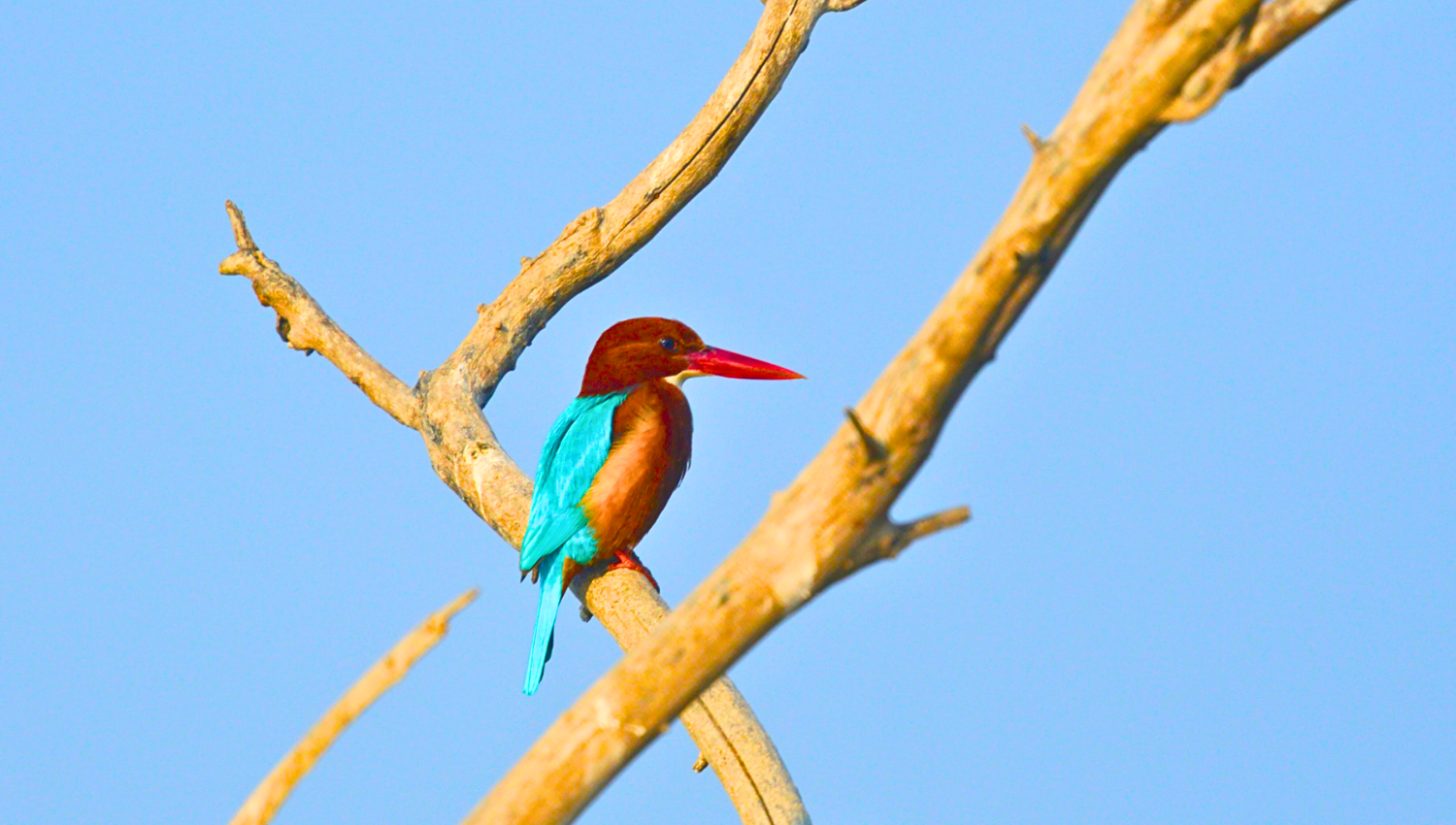
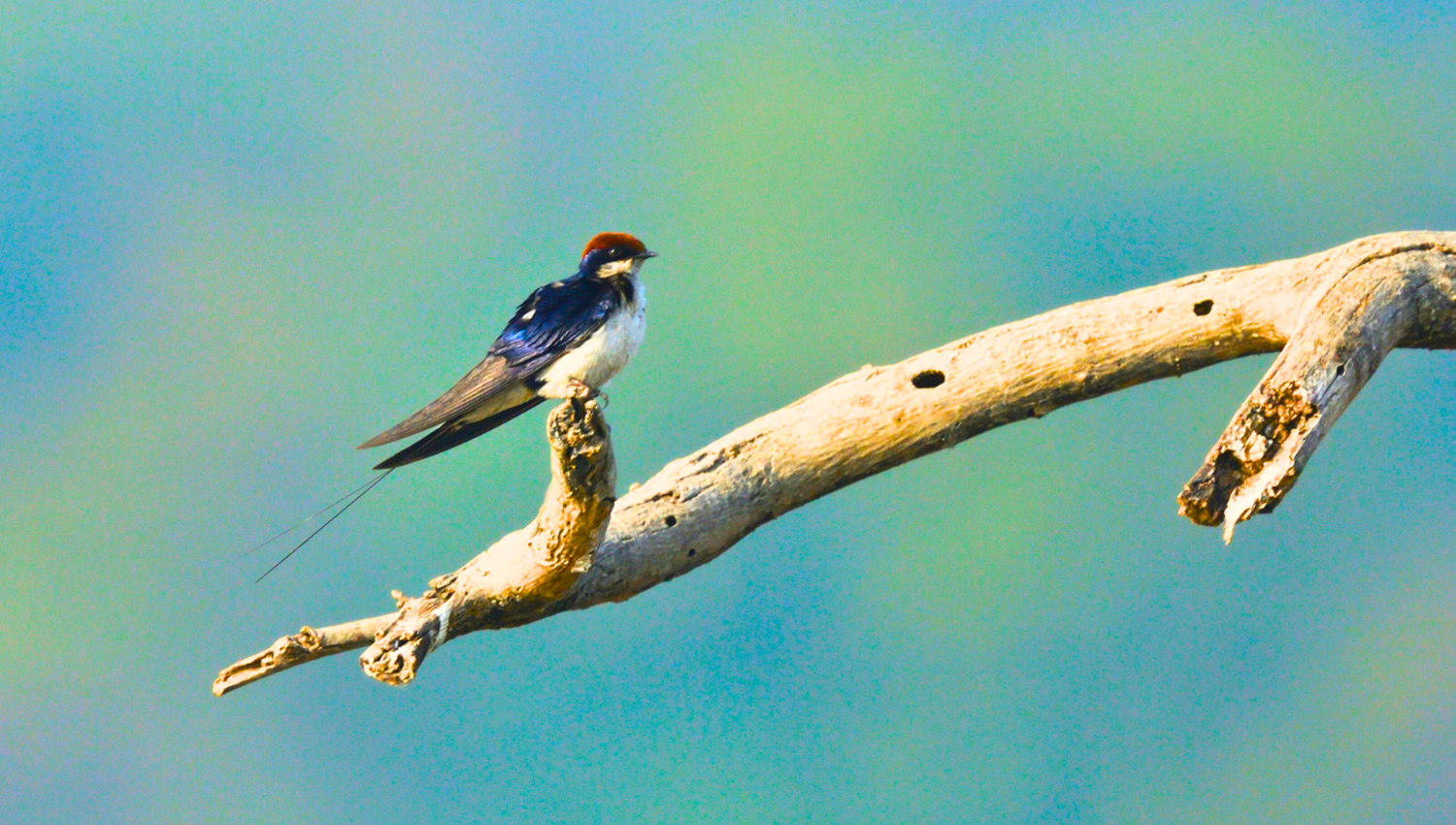
Then he made the crowd aware of the history of Asita East. What stands as a perfect marvel of nature today was once a proper slum area. It was a colony that was redeveloped; hence, all the ecology one can trace in the sanctuary is actually artificially curated. He further shed light on the meaning of the name. Yamuna in ancient Indian literature has been mentioned as Asita, and since the park is situated on the ITO bridge near the banks of the river Yamuna, it naturally felt perfect to be the name of the park. Towards the start of the walk, the group spotted birds like the Gadwall, White-throated kingfisher, Wire-tailed swallow, Brown-headed gull, White & yellow wagtails, Purple heron and many more. He explained the appetite of the birds. These included the eating habits of the purple herons feed on amphibians, fish, small mammals and other invertebrates. Their preferred spot for hunting is the shallow water that is filled with vegetation and provides ample camouflage.
The crowd witnessed the perfect moment when the white-throated kingfisher and the Indian heron were hunting a fish. When the party reached the banks of the River Yamuna, they saw flocks of brown & black-headed gulls. A specific tendency of the birds was explained, that they would hover in a circular motion and then eventually move to another place. This is exactly what had happened after a few minutes. The flora of the park was mesmerising. The use of citizen science at its best was seen as the people could be seen using apps like Merlin to record the voices of birds and recognise them via the app. The people were also using apps like eBird to list the birds they were viewing on the walk.
As the walk proceeded, he explained the advantages of birding, followed by how the birds can be identified based on their physical features, such as size, shape and colour. Next, the group encountered Spot-billed Duck, Gray-throated Martin, and Barn Swallow. An interesting fact was shared about the Spot-billed Duck that it sticks to a vegetarian diet, but switches to a non-vegetarian one during its breeding season. The stick - Fly Tiger butterfly was an add-on that was spotted during the walk. Next to be spotted was the brown-headed Barbet, followed by the Green Sandpiper. He said that the former was a shy bird but was equally vocal and fed on flowers, tiny insects and lizards. It builds its nest in the hollows of the trees.
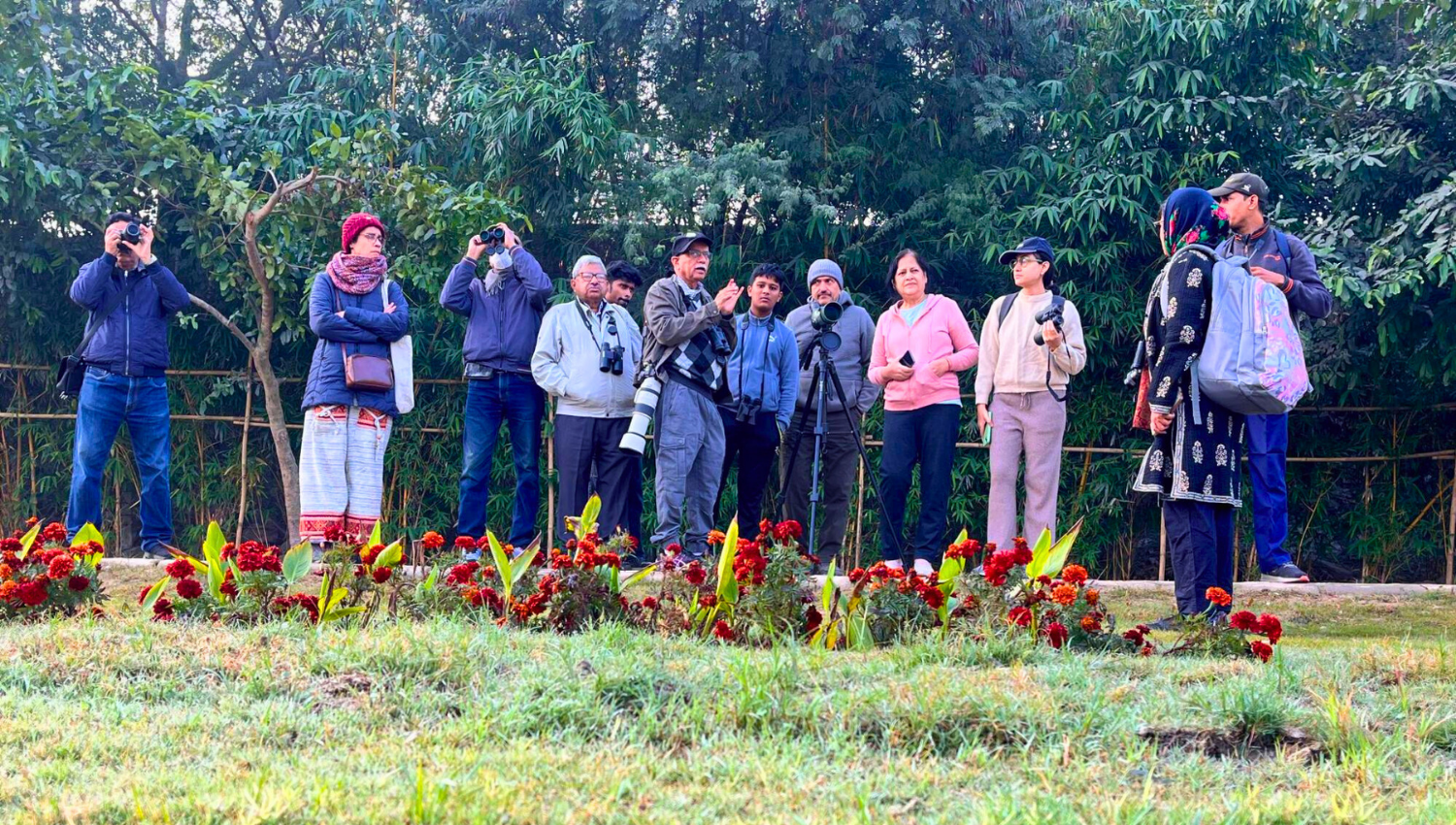
The crowd was bustling with enquiries about the best season to visit the park, regarding the diversity of Asita and what would be the best time to spot the birds in the park. He answered them one by one, and towards the end of the walk, the repetitive pit-pretty, pit-pretty, pit-pretty sound of the Jungle Prinia was heard. Asita stands as a milestone that if an area that was once in such a condition that no signs of vegetation existed can be converted into a birder’s paradise, then any amount of collective efforts can bring about any change.
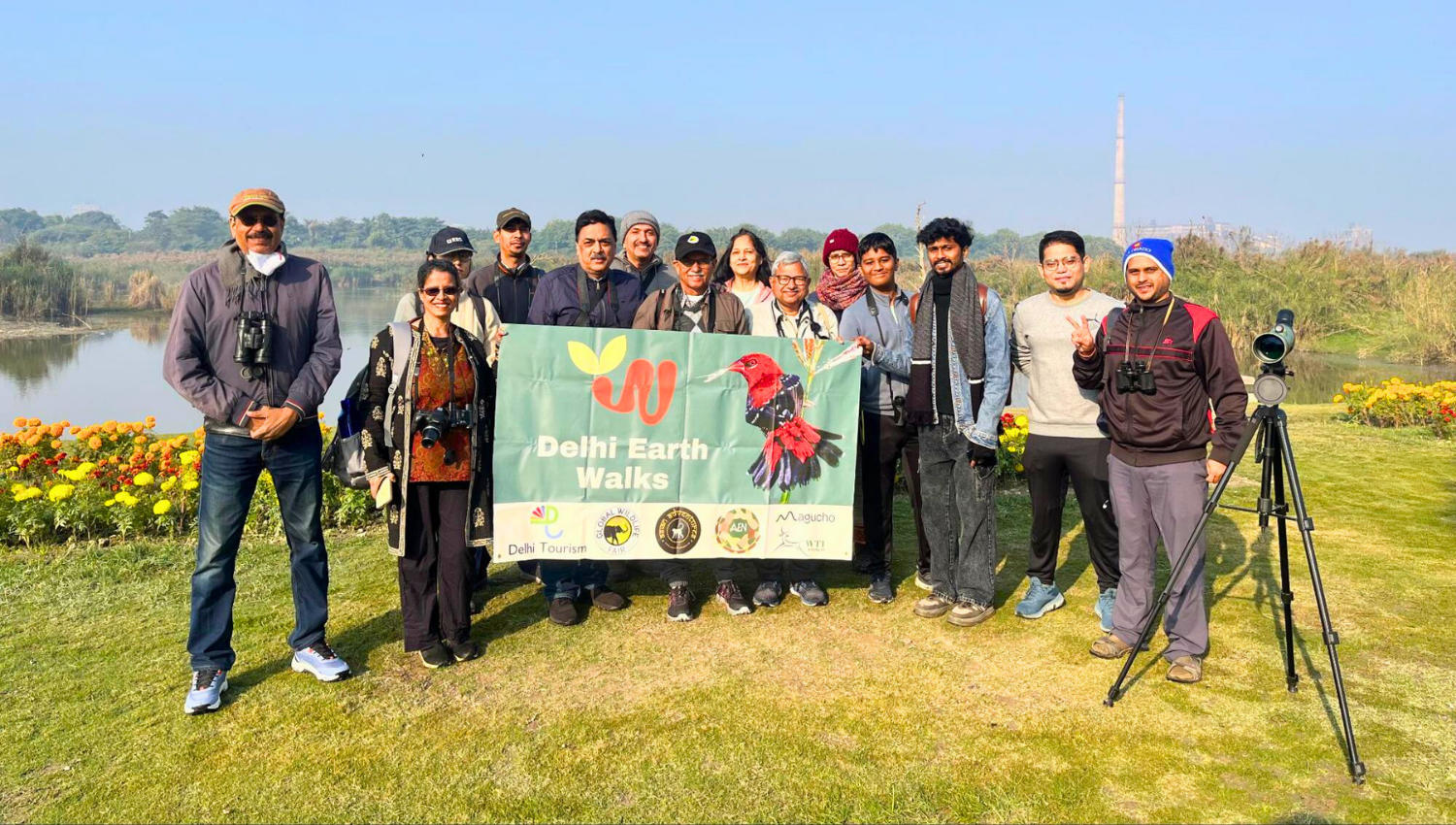
These Earth Walks that are organised every Sunday, in various parts of the country, such as Delhi, Uttar Pradesh, Pangot, Ahmedabad, etc, follow a similar principle—spreading awareness amongst the people to bring about a change in their environment. Such efforts grow with the support of people, and hence we urge you to provide your contribution towards this cause. To be a part of Earth Walks, click here https://asianadventures.info/p/af0725/
Bird list
- Gadwall
- Indian Spot-billed Duck
- Green-winged Teal
- Indian Peafowl
- Rock Pigeon (Feral Pigeon)
- Eurasian Collared-Dove
- Eurasian Moorhen
- Gray-headed Swamphen
- Black-winged Stilt
- Red wattled-Lapwing
- Green Sandpiper
- Wood Sandpiper
- Black-headed gull
- Little Grebe
- Little Cormorant
- Little Egret
- Great Cormorant
- Indian Cormorant
- Little Egret
- Indian Pond-Heron
- Great Egret
- Medium Egret
- Gray Heron
- Purple Heron
- Great White Pelican
- Black Kite
- White-throated Kingfisher
- Alexanderie Parakeet
- Rose-ringed Parakeet
- Long-tailed Shrike
- Rufous Treepie
- House Crow
- Common Tailorbird
- Ashy Prinia
- Jungle Prinia
- Gray-throated Martin
- Barn Swallow
- Wire-tailed Swallow
- Red-whiskered Bulbul
- Red-vented Bulbul
- Hume’s warbler
- Common Chiffchaff
- Lesser Whitethroat
- Jungle Babbler
- Ruddy Shelduck
- Black-rumped Flameback woodpecker
- Indian Pied Starling
- Common Myna
- Oriental Magpie-Robin
- Purple Sunbird
- Western Yellow Wagtail
- Citrine Wagtail
- White Wagtail
- Purple Sunbird